
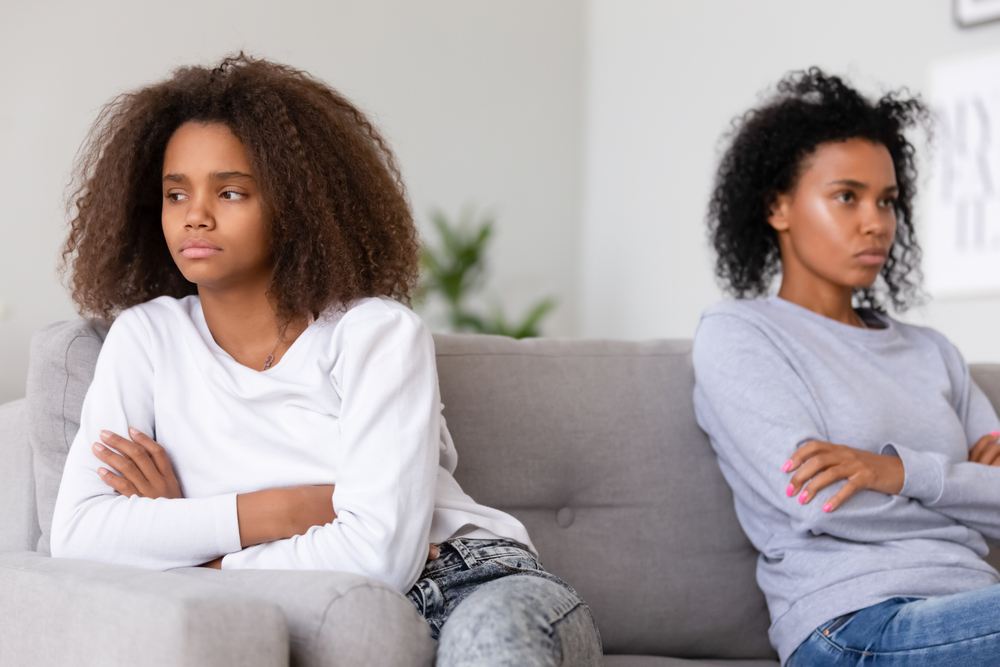
 As parents, it’s normal to look at our children and think about how they’ve changed throughout the years—both positively and sometimes negatively. This is never more evident than when a once-obedient child abruptly becomes a defiant and contentious adolescent as they enter the teen years. As teens negotiate the challenges of developing independence and evolving identities, it causes a shift in family dynamics, resulting in a phase that parents might find to be the most challenging one yet.
The good news is that you’re not alone. Many parents feel the same way. If fact, our team at Liahona Academy have supported countless teens and parents as they tackle these issues, helping both sides find common ground and work together for the greater good. While our focus may be on teaching teens appropriate coping skills and encouraging them to process their feelings in more positive ways, we’re also there for the parents of the teens in our care. After all, it takes both you and your teen to understand the root cause of the behaviors to be able to work past them and come together once again.
Understanding the Parent-Child Bond
Early on in life, the parent-child bond is usually defined by a feeling of trust, dependence, and unconditional love. By setting limits and assisting your children as they grow, you serve as an authoritative figure, protector, and caregiver. But when your child gets closer to puberty, they start to stand up for themselves and want more freedom, which causes reactions and feelings that can sometimes be hard to handle.
Teens need to individuate naturally in order to develop into healthy adults. This is because they are trying to forge identities apart from their families. But it can also lead to friction and conflict in the parent-child dynamic, especially when teenagers start acting rudely and aggressively to undermine parental authority.
When a teen exhibits disrespectful behavior out of the blue, parents may feel misled, hurt, or disappointed, which can be a frightening and upsetting development. It's critical to understand that during this time of rapid emotional and psychological development, teens frequently experience internal conflicts and external pressures that manifest as this behavior. For instance, teens may act out when they feel inadequate, insecure, or frustrated by what they believe to be their parents' expectations or restrictions. In addition, they can be coping with identity formation concerns, peer pressure, hormone changes, or academic stress. All of these things can exacerbate emotional instability and impulsivity.
How Should Parents React When Faced With a Disrespectful Teen?
It's critical that parents handle these difficulties with compassion, tolerance, and understanding. Although reacting angrily or punishing disrespectful behavior is natural, doing so is unlikely to address the underlying problems and may worsen the relationship between parents and children. At Liahona Academy, we offer the following suggestions for parents as they navigate these challenges and try to restore a favorable rapport with their teens:
- Remain Calm and Compassionate: Reacting angrily or hostilely to rudeness would probably make things worse. Even if you disagree with your teen's behavior, take a deep breath, maintain your composure, and make an effort to understand their point of view. This does not mean giving them a pass for the behavior, but it does mean putting yourself in their shoes and making an effort to understand the behavior.
- Establish Clear Boundaries and Expectations: Calmly and firmly convey your expectations for polite conduct. Set up explicit rules about what happens when they act rudely, but also be open to hearing what they have to say and, when necessary, working out a solution. Also, be sure to practice active listening, which means you’re fully listening to what they have to say rather than formulating your response before they’ve finished talking.
- Promote Open Communication: Provide a safe, accepting environment where your adolescent can freely express their ideas and emotions. Encourage candid communication and attentive listening, even in challenging or uncomfortable situations.
- Be a Role Model: Set a good example by responding politely and giving your teen the same respect that you expect. Through your own activities, show that you have good communication skills, empathy, and dispute resolution techniques.
- Emphasis on Connection: Seek out chances to spend time together and deepen your relationship with your adolescent. Take part in common interests, pastimes, or activities that help you bond more deeply than just the parent-child relationship. Additionally, be willing to try something new that they enjoy. For instance, if they want you to read a book or watch a show they’re invested in, take the chance to do that.
Contact Our Team Today
Negotiating the difficulties of the parent-child connection during the adolescent years calls for tolerance, comprehension, and a readiness to adjust to the changing requirements of your teen. The good news is that it is possible to create a loving and nurturing atmosphere that supports healthy growth and deepens the link between you and your child by tackling these problems with empathy and resilience.
However, if, in spite of your best efforts, disrespectful behavior continues or gets worse, you might want to think about getting help from our team. We can offer direction and help your family communicate in a productive way, while also giving your teen the tools they need to process their feelings.
Contact us today to learn more.
Sources:
https://liahonaacademy.com/struggling-with-disrespectful-teen-behavior.html
https://www.empoweringparents.com/article/how-to-respond-to-disrespectful-children-and-teens/
https://liahonaacademy.com/contact-us.html
https://raisingchildren.net.au/newborns/connecting-communicating/bonding/parent-child
https://www.psy-ed.com/wpblog/disrespectful-child/
