
 As a parent, it’s natural to be concerned about your teen’s well-being, especially when it comes to the risks associated with substance abuse. Adolescence is a critical time when teens are more likely to experiment with drugs and alcohol due to peer pressure, curiosity, and other factors. Understanding the warning signs of substance abuse and knowing how to respond can make a significant difference in your teen’s life.
The Scope of Teen Substance Abuse
Teen substance abuse is more common than many parents realize. According to the National Institute on Drug Abuse (NIDA), approximately 50% of high school seniors have tried an illicit drug at least once, and nearly 30% of them have consumed alcohol in the past month. Other alarming statistics include:
- The Centers for Disease Control and Prevention (CDC) reports that 14% of high school students have misused prescription opioids.
- Approximately 6% of teens have used marijuana on a daily basis, making it one of the most commonly abused substances among youth.
- The Substance Abuse and Mental Health Services Administration (SAMHSA) found that 1 in 5 teens who use alcohol also engage in binge drinking, increasing their risk of severe consequences like alcohol poisoning.
These statistics underscore the need for parents to stay vigilant and informed about the signs of substance abuse in their teens.
Danger Signs: Is Your Teen Struggling with Substance Abuse?
Substance abuse can manifest in various ways, and the signs may not always be obvious. It’s important to recognize the red flags that could indicate your teen is struggling. Below are some key warning signs that parents should be aware of:
1. Physical and Health Changes
- Unexplained Weight Loss or Gain: Sudden changes in weight may indicate substance abuse, as drug use can suppress appetite or lead to overeating.
- Bloodshot Eyes or Dilated Pupils: Changes in eye appearance can be a sign of drug or alcohol use. Red eyes or pupils that are larger or smaller than usual may indicate intoxication.
- Frequent Nosebleeds or Runny Nose: This could be a sign of snorting substances such as cocaine.
- Poor Hygiene and Neglect of Personal Care: Teens abusing substances may lose interest in maintaining their appearance and cleanliness.
- Increased Fatigue or Insomnia: Substance use can disrupt normal sleep patterns, leading to either excessive tiredness or trouble sleeping.
2. Behavioral Changes
- Sudden Changes in Friends or Social Circles: If your teen is distancing themselves from long-time friends and associating with new, unfamiliar groups, it could be a sign of substance abuse.
- Secretive Behavior: Teens using substances often become secretive about their activities. They may lock their doors, hide their phones, or avoid conversations about their whereabouts.
- Declining Academic Performance: Substance abuse can lead to a lack of focus, decreased motivation, and declining grades. If your teen's performance drops unexpectedly, it’s worth investigating further.
- Increased Aggression or Mood Swings: Teens under the influence of substances may experience irritability, aggression, or sudden mood changes.
3. Emotional and Psychological Symptoms
- Depression and Anxiety: Teens struggling with substance abuse often experience heightened levels of depression or anxiety. Substance use may initially seem like an escape for them but ultimately worsens these mental health issues.
- Lack of Interest in Activities They Once Enjoyed: If your teen suddenly loses interest in hobbies, sports, or other activities they once loved, it could be a sign they are struggling with substance abuse.
- Extreme Paranoia or Hallucinations: Some substances can cause teens to experience paranoia or hallucinations, which may be noticeable through their behavior.
4. Signs in the Home
- Missing Prescription Medications: If you notice that prescription medications are disappearing from your home, it may be a sign that your teen is experimenting with them or selling them.
- Unusual Smells on Clothes or Breath: The smell of alcohol, smoke, or other chemical odors on your teen’s clothing or breath can be an indication of substance use.
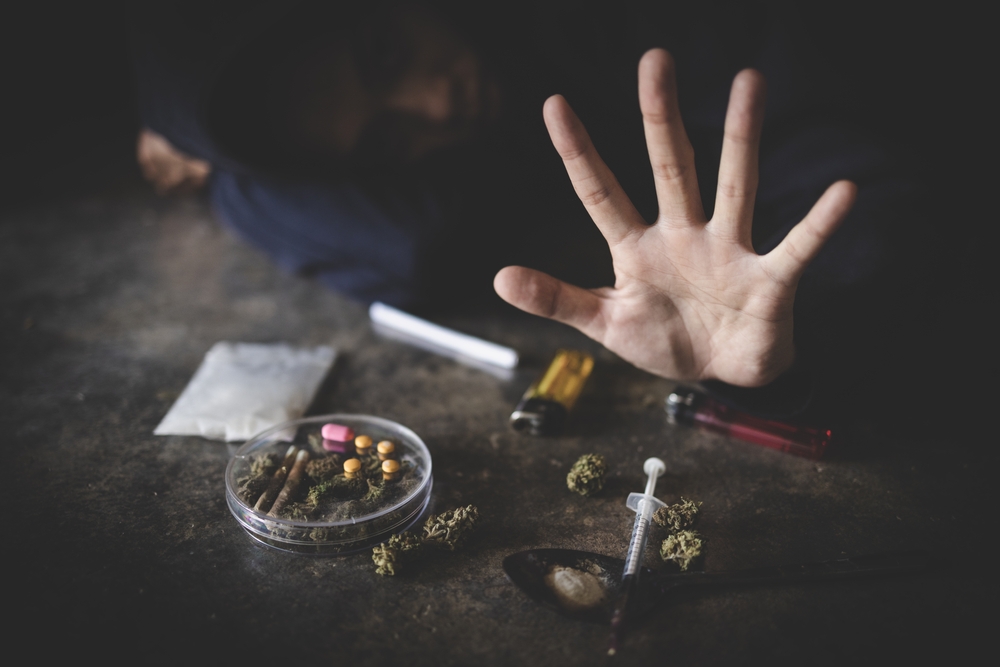
- Finding Drug Paraphernalia: Items like lighters, pipes, rolling papers, syringes, or small plastic bags could suggest that your teen is using drugs.
Steps to Take If You Suspect Substance Abuse
If you suspect your teen is struggling with substance abuse, it’s crucial to approach the situation with care and empathy. Taking the following steps can help:
- Have an Open Conversation: Avoid being confrontational. Instead, express your concern calmly and let your teen know that you are there to support them. Listen to their side of the story and avoid jumping to conclusions.
- Seek Professional Help: Substance abuse is a serious issue that often requires professional intervention. A therapist or counselor specializing in adolescent issues can help your teen address the underlying causes of their substance use.
- Monitor Their Behavior: Keep a close eye on your teen’s activities and set clear boundaries. While maintaining trust is important, monitoring their social interactions and routines can help you understand their situation better.
- Engage in Family Therapy: Substance abuse often affects the entire family dynamic. Family therapy can help rebuild trust, improve communication, and create a supportive environment for your teen’s recovery.
- Explore Treatment Options: For some teens, structured treatment programs may be necessary to break the cycle of addiction. Residential treatment centers, like Liahona Treatment Center, provide a safe and supportive environment for teens to heal and develop new coping skills.
Liahona Treatment Center: Guiding Your Teen to a Brighter Future
At Liahona Treatment Center, we specialize in helping troubled teens overcome substance abuse through comprehensive and compassionate care. Our experienced team provides individualized treatment plans that address the unique needs of each teen, offering a combination of therapeutic approaches, family support, and life skills training. We focus on the root causes of substance abuse to promote long-term recovery without relying solely on medication.
If you’re concerned about your teen’s behavior and suspect substance abuse, don’t wait. Contact Liahona Treatment Center today. Together, we can guide your teen towards a healthier, happier future.
