
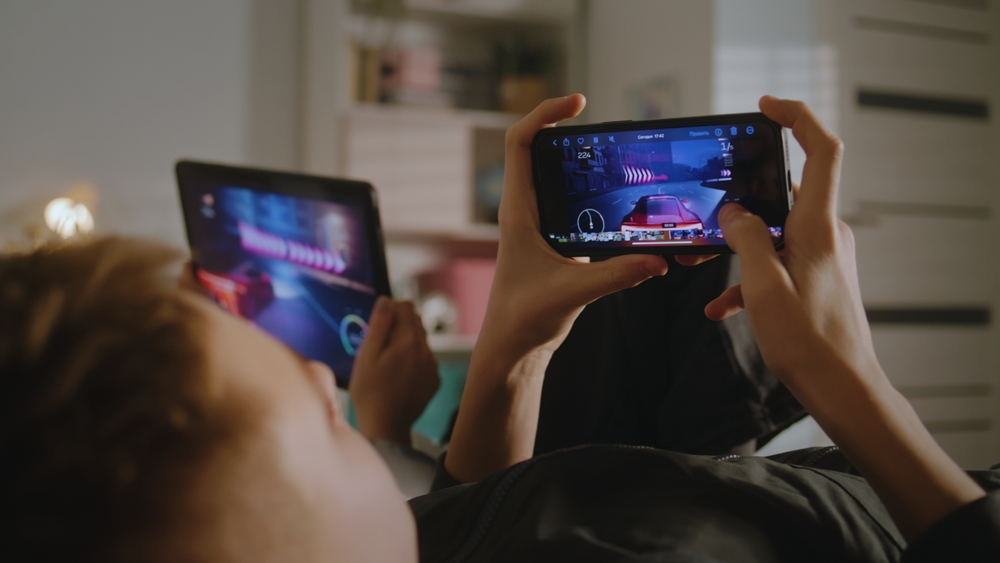
 Video games aren’t inherently bad. When played in moderation, they can improve hand-eye coordination, foster problem-solving, and even help teens connect socially. But when gaming and screen time become a primary coping mechanism, and especially when combined with isolation, aggression, or emotional withdrawal, they can signal a much deeper issue.
Many parents today are asking, “Is my teen addicted to gaming, or using it to escape something more serious?” In some cases, that digital escape can spiral into risky, angry, or even violent behavior.
If you’ve noticed concerning shifts in your teen’s mood, personality, or behavior alongside excessive gaming, this guide will help you understand what’s going on, and what you can do about it.
How Much Gaming Is Too Much?
According to the American Academy of Pediatrics, healthy recreational screen time for teens should not exceed 2 hours per day. However, recent surveys show that many teens are logging far more than that:
- The CDC reports that adolescents aged 13–18 now average 7+ hours of screen time per day, not including school-related use.
- A Common Sense Media study found that boys in particular spend an average of 3.5 hours a day playing video games, nearly 25 hours per week.
- 10% of teens are considered at risk for developing gaming disorder, recognized by the World Health Organization as a diagnosable mental health condition.
When gaming goes far beyond these limits, and begins to replace real-world relationships, school responsibilities, and emotional regulation, it may be time to intervene.
Why Teens Turn to Gaming and Digital Escapism
Gaming offers more than entertainment. For many boys, it becomes a safe zone, a place where they can control outcomes, escape real-world pressure, and feel powerful or validated.
Teens may be escaping:
- Social anxiety or bullying
- Depression, loneliness, or trauma
- Family conflict or high expectations
- Low self-esteem or identity confusion
- School failure or ADHD-related challenges
In these cases, gaming isn’t just a hobby, it’s a form of emotional avoidance. And when a teen’s emotional pain goes unaddressed, what starts as escapism can escalate into dangerous behavior.
Warning Signs of Unhealthy Gaming and Risky Behavior
Not every teen who games a lot is in danger ,but when combined with certain red flags, screen time can become a symptom of deeper emotional or behavioral issues.
Watch for:
- Aggressive reactions when asked to stop playing
- Frequent lying about time spent gaming
- Withdrawal from friends and family
- Skipping school or falling behind in academics
- Neglecting hygiene, meals, or responsibilities
- Fixation on violent games and frequent talk of revenge, weapons, or domination
- Increased irritability or rage when not gaming
- Desensitization to violence or cruelty
When screen time replaces real life, your teen may be developing not only a dependency, but also a distorted emotional compass.
The Link Between Escapism, Emotional Dysregulation, and Violence
While most gamers never become violent, there is growing concern over the behavioral and psychological changes linked to compulsive gaming, especially in at-risk youth.
- A 2023 meta-analysis from the APA found that excessive gaming can contribute to increased impulsivity, aggression, and reduced empathy, particularly in adolescents already experiencing trauma or mental illness.
- A 2019 study published in JAMA Pediatrics reported that adolescents who regularly played violent games were more likely to show antisocial or defiant behavior over time.
- Teens who isolate digitally are also more vulnerable to radicalization or online grooming, especially when they feel unheard or misunderstood in real life.
The issue isn’t just the content of the games, it’s what the gaming is replacing.
What Parents Can Do to Intervene, Before It Escalates
1. Track and Limit Screen Time
Use apps or parental controls to monitor screen usage. Aim to reduce recreational gaming to under 2 hours per day, in line with AAP guidelines. Start with small reductions and create clear expectations.
2. Don’t Just Take It Away, Replace It
When gaming is a coping mechanism, simply removing it can trigger withdrawal or rage. Instead, replace screen time with:
- Family activities (hikes, board games, exercise)
- In-person social opportunities
- Therapy or support groups
- Projects that rebuild confidence
3. Open Conversations Without Judgment
Ask open-ended questions like:
- “What do you like most about gaming?”
- “Do you ever use it to feel better when something’s hard?”
- “How do you feel when you're not playing?”
These conversations can reveal what your teen may be trying to avoid or manage emotionally.
4. Watch for Co-Occurring Mental Health Issues
Gaming disorder often overlaps with:
- Depression
- ADHD
- Anxiety
- Autism spectrum traits
- Trauma history
If you suspect underlying issues, seek a professional psychological assessment.
When It’s More Than You Can Handle at Home
If your teen is emotionally volatile, addicted to gaming, and becoming increasingly disconnected or aggressive, it may be time to consider a structured therapeutic environment.
Many families turn to Liahona Academy when gaming has taken over their son’s life and no other interventions have worked.
We are not anti-technology, we are pro-healing.
At Liahona Academy: Reclaiming the Boy Behind the Behavior
At Liahona Academy, we work with boys who are struggling with emotional avoidance, technology overuse, and explosive behavior. Many of our students arrive having lost touch with their families, their education, and themselves.
Here’s what we provide:
- A tech-free, immersive environment that rebuilds face-to-face social skills
- Licensed therapeutic support to address the root of digital dependence
- Daily routines, academic structure, and meaningful activities
- A safe space for emotional healing, accountability, and identity development
We help boys re-engage with the real world, and rediscover who they are beyond the screen.
You’re Not Overreacting, You’re Being Proactive
If you’re watching your son disappear into video games or online worlds, and you’re starting to see the warning signs of deeper trouble, don’t wait for things to get worse. Digital escapism is a red flag, not a phase, when it replaces connection, stability, and emotional regulation.
You don’t have to fight this battle alone. At Liahona Academy, we help parents interrupt the spiral and help their sons find a new way forward, screen-free, grounded, and supported.
Let’s Talk About Your Son’s Future
Contact Liahona Academy today to speak with a family advisor. We’ll listen to your concerns and help you determine if our program is the right next step. Together, we can restore connection, stability, and long-term success.
