
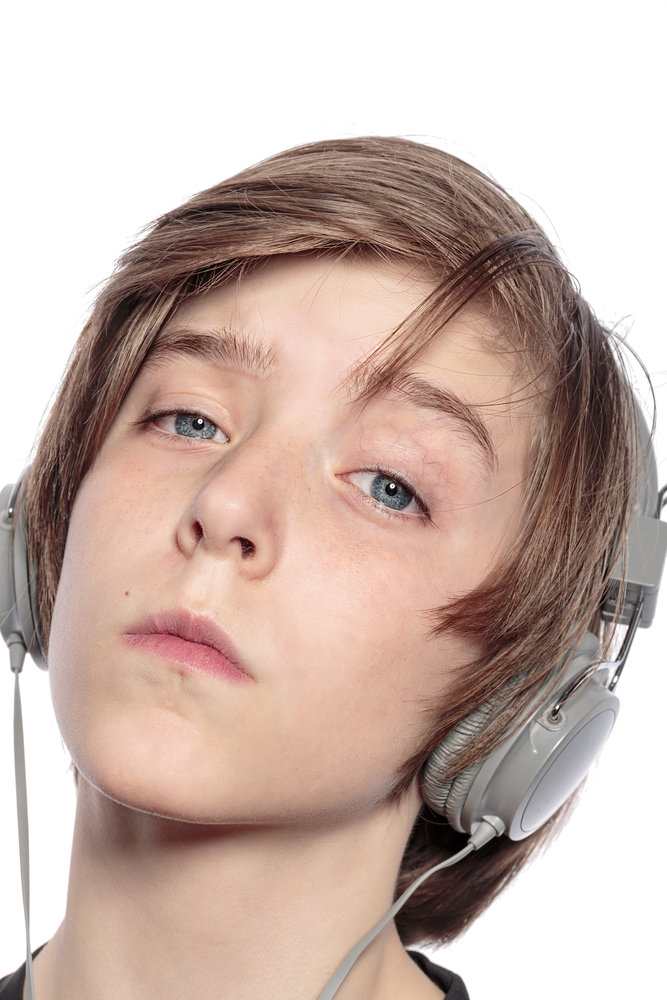
 You ask a simple question, and your teen snaps. You try to set a limit, and they explode in defiance. Maybe you’re met with cold silence, eye rolls, or words meant to hurt. As a parent, it’s exhausting, frustrating, and sometimes heartbreaking.
When your teen’s default language seems to be defiance, disrespect, and anger, it’s easy to assume they’re just being difficult. But often, these explosive behaviors are signals that your teen may be trying to say something they don’t have the tools to express. And the truth is, when you understand what’s really going on beneath the surface, your response can shift from reactive to restorative.
Why Teens Lash Out: The Real Meaning Behind Defiance, Disrespect, and Anger
Adolescence is a storm of physical, emotional, and neurological changes. During this time, teens are developing identity, autonomy, and independence. But when life feels overwhelming or unsafe, either at home, school, or socially, many boys respond with defiance, disrespect, and anger as a shield against vulnerability.
Common root causes include:
| Underlying Cause | Possible Behaviors |
| Unprocessed trauma | Explosions of anger, hypervigilance, withdrawal |
| Depression or anxiety | Irritability, avoidance, hostility when questioned |
| Academic pressure | Avoidance, shutting down, lashing out over school conversations |
| Family conflict | Blaming, yelling, refusing to engage or follow household rules |
| Low self-esteem | Acting overly confident, sarcastic, or dismissive as a cover |
Defiance isn’t always about rebellion, it’s often a sign of emotional dysregulation. Disrespect can be an immature attempt at asserting control. And anger? It’s almost always a secondary emotion covering up fear, shame, or sadness.
Signs Your Teen Is Communicating Through Behavior
Sometimes, teens don’t know how to say “I’m scared,” “I feel like a failure,” or “I hate myself.” So instead, they throw verbal punches or build walls of silence.
Your teen might be trying to say:
- “I don’t feel safe.” → Expressed as anger or aggression.
- “I feel powerless.” → Expressed as controlling or manipulative behavior.
- “I hate myself.” → Expressed as cruel, disrespectful words to others.
- “I don’t know how to deal with this.” → Expressed as defiance or shutting down.
As a parent, the challenge is to look past the behavior and see the message.
What Doesn’t Work: Common Responses That Fuel the Fire
In the face of constant disrespect or anger, even the most loving parent can lose patience. But harsh punishments or shouting matches rarely change behavior, and can actually make things worse.
Common but ineffective reactions:
- Yelling or threatening (leads to power struggles)
- Labeling (“You’re a bad kid,” “You’re so disrespectful”)
- Ignoring completely (misses the deeper cry for help)
- Over-punishing (often fuels resentment without insight)
While boundaries are essential, how they’re communicated matters. Teens are hypersensitive to shame and rejection, so when they feel attacked, they’re more likely to escalate than cooperate.
What Helps: Responding in Ways That Heal
To shift from constant conflict to connection, parents must learn to decode behavior and respond with emotional leadership. Here’s how:
1. Pause Before Reacting
Take a moment to breathe, step back, and regulate your own emotions. Your calm presence helps your teen co-regulate and de-escalate.
2. Stay Curious, Not Furious
Instead of “What’s wrong with you?” try “What’s going on underneath all this anger?” or “You seem really upset, what happened today?”
3. Validate the Emotion, Not the Behavior
You can acknowledge feelings without excusing actions. Try:
"I get that you're angry, and it's okay to be mad. But yelling and cursing isn’t how we talk to each other."
4. Rebuild Trust Through Connection
Even small moments of connection, playing a game, taking a walk, listening to music together, can open the door for deeper communication.
5. Set Clear, Consistent Limits
Teens still need structure. Make expectations and consequences known ahead of time, and follow through consistently, but without shame.
When to Get Help: Defiance, Disrespect, and Anger That Won’t Go Away
If the behavior becomes extreme or doesn’t improve with your efforts, it may signal a larger mental health or behavioral issue.
Red flags include:
- Violence or threats of harm
- Running away
- Substance abuse
- Severe isolation or depression
- Persistent school refusal or academic failure
At this point, professional support is not just helpful, it’s necessary.
How Liahona Academy Helps Boys Who Struggle with Anger and Defiance
At Liahona Academy, we specialize in working with boys ages 12–17 who are dealing with defiance, disrespect, and anger that masks much deeper wounds. Our therapeutic boarding school combines structure, licensed therapy, and academic support in a safe, compassionate environment where teens can let down their guard and begin to heal.
We help boys:
- Understand the root of their behavior
- Learn healthy ways to express emotions
- Rebuild self-worth and emotional resilience
- Reconnect with their families through guided communication
Most importantly, we help teens find hope, and help parents reclaim peace at home.
Final Thoughts: Hear the Heart Behind the Behavior
When you’re in the thick of it, it’s hard to see beyond the slammed doors, harsh words, and cold stares. But behind your teen’s outbursts is often a wounded heart that doesn’t know how to ask for help.
You don’t have to do this alone. If your son’s defiance, disrespect, and anger are out of control, Liahona Academy is here to help you decode the behavior and begin a path to healing, for both of you.
