
 The Gottman Institute, a leading institution on family and couples’ therapy, defines shared meaning as “Enriching your relationship by creating an inner life together--a culture rich with symbols and rituals.”
When you establish a routine for your family, you’re helping create shared meaning and are building your relationship with your troubled teen.
Using the latest research in family therapy, this article will help you understand why having family routines is important. It will also provide examples of family routines that help troubled teens and ways that you can help your troubled teen.
The Gottman Institute, a leading institution on family and couples’ therapy, defines shared meaning as “Enriching your relationship by creating an inner life together--a culture rich with symbols and rituals.”
When you establish a routine for your family, you’re helping create shared meaning and are building your relationship with your troubled teen.
Using the latest research in family therapy, this article will help you understand why having family routines is important. It will also provide examples of family routines that help troubled teens and ways that you can help your troubled teen.
3 Reasons why family routines are important
There are many reasons why family routines are important, and here are three reasons why.#1. Routines teach your child the importance of structure
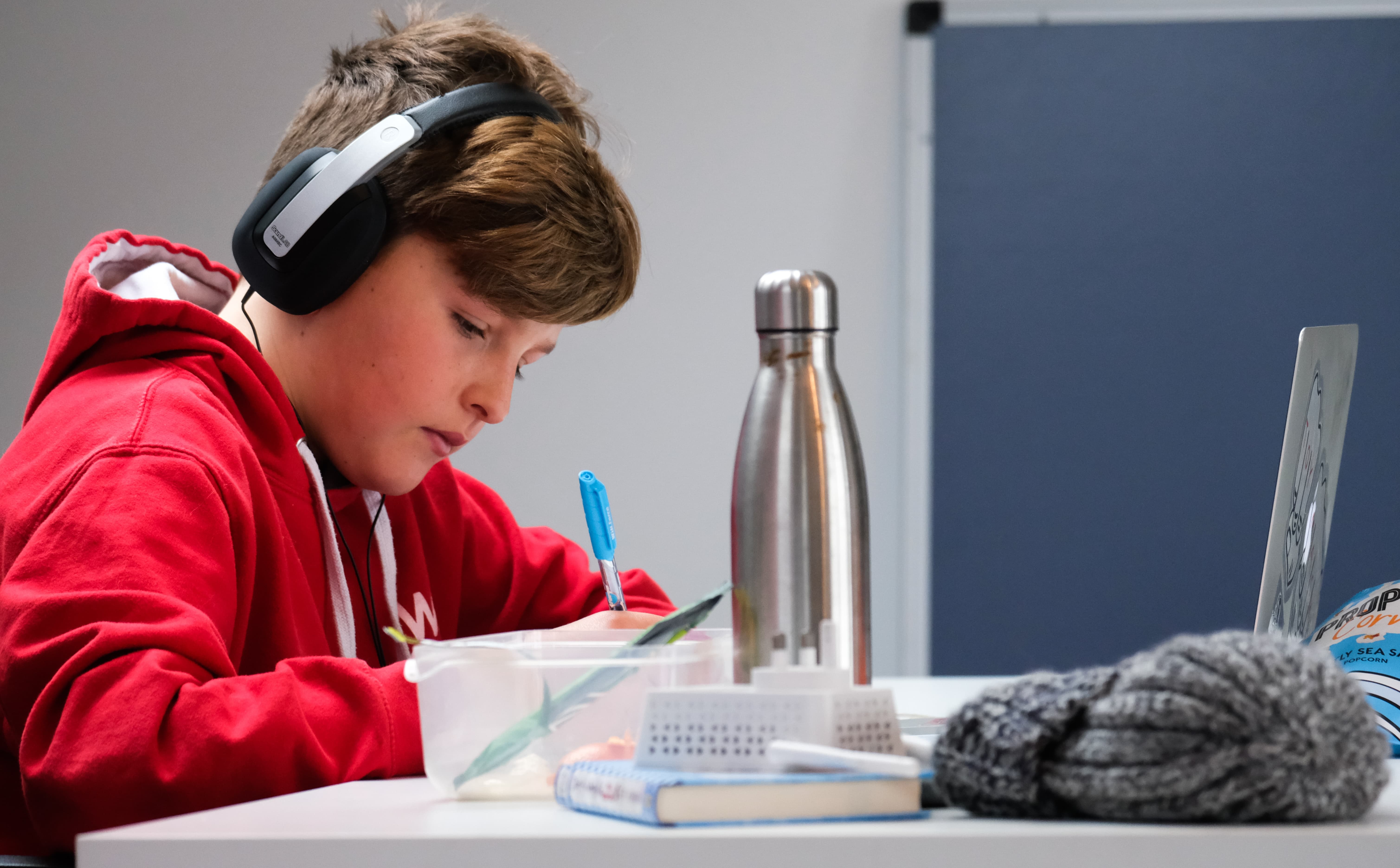
In the book Fostering Resilient Learners, Kristin Souers, a school counselor, and Pete Hall, a school principal, write that troubled teens, especially teens who have been through various traumas, benefit from routines. Routines offer students safety, familiarity, and structure. They offer safety and familiarity because a teen can walk into a classroom. Because they have previous exposure to a routine, they already know what to do and what’s appropriate and inappropriate. For example, if a teen comes home and doesn’t know what the routine is after school, then they’re more likely to act out in inappropriate ways. On the other hand, a teen who knows that right after school, they have a set routine that involves resting for an hour and then doing homework is more likely to follow through with the routine than a teen who doesn’t have any structure in place. With COVID-19, having a structure at home is especially important.#2. Routines help communicate what’s important to you and your family
Having routines related to different areas of life is essential. For example, having routines pertaining to education and family time communicate to your child that academics and family time are important. Likewise, when you neglect things like family dinners or routines related to things like rest, it teaches your child that rest and shared meals are unimportant. Ensure that the routines you have are related to a variety of areas such as education, self-care, family time, and physical activity.#3. Routines build stronger connections and relationships
If your troubled teen struggles with issues that you might not be aware of, routines can help you identify what’s going on. For example, if your family tends to talk about their day during dinner time, then a troubled teen’s silence would be able to help you recognize that something’s wrong. Without any routine set in place, you wouldn’t be able to identify changes in behavior or attitude. That is, routines help you stop and notice your environment and, specifically, your teen. In addition to this aspect of identifying changes, having routines also helps your teen know that they and their presence matter. For example, families who have routines related to education are more likely to have children interested in academic success than families who do not.Routines that every family should incorporate into their lives
So, what routines do you need to help your troubled teen? Here are some suggestions.Have morning-related routines
Having morning routines is essential because the beginning of the day often sets the tone for the rest of the day. If your family can and has the time, you can incorporate more healthy routines such as group meditation as a family or sharing inspiring content (a motivation quote, devotionals, motivation lectures, etc.). If you are limited on time, have routines related to getting ready for school and being on time.Have afterschool-related routines
Afterschool-related routines are another area where routines are needed. Here are some routines that you need to have in place to help your troubled teen:- Routines related to academics: what time do they start studying? How do they ask for help if they need help?
- Routines related to self-care: do they engage in things that they like? For example, an hour of tv, gaming, or hanging out with friends.
- Routines related to physical activity: does your troubled teen go to the gym alone? Do you exercise as a family?
Have family-related routines
Having family-related routines gives your troubled teen opportunities to connect with others. Here are some routines that you can incorporate:- Routines related to shared meals or times of the day
- Routines related to sharing one’s day
- Routines related to family values (sharing what each family member is grateful for, sharing something good that happened, routines related to spirituality, etc.)


Leave a Reply