
(image source)
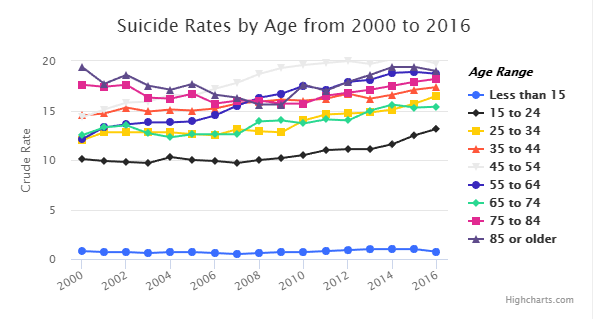
That isn’t the only concern that teenagers are facing. According to statistics, suicide is the tenth leading cause of death in the US. But for those under the age of 21, it is actually the second leading cause of death. It shows a crisis in the United States that isn’t being properly addressed, one that could be life-threatening to the country’s children. Male youth are especially impacted by the above issues and can see their lives drain away in an instant due to a single mistake. Intervention, when we see the warning signs, is the only way forward, to keep them safe from harm and ensure a positive future ahead. Here are some at-risk behaviors in common issues to keep an eye out for.Depression
Depression may be the most common issues facing teenagers today, with one in every five teens having faced at least one major depressive episode in their life. There can be a great deal of overlap between depression and other issues as well, including those on this list. When a teen is depressed they can lash out and even take greater risks with their lives and health. Signs of depression in teens include:- Signs of apathy, just not caring
- Sudden bouts of crying
- Angry outbursts
- Changes in sleeping patterns
- Changes in appetite
- Reckless behavior
- Lack of interest in former hobbies
- Isolation from family and friends
- Signs of self-harm
- Self-defeating or self-insulting language
- Suicidal ideation
If you or someone you know is contemplating suicide, call 1-800-273-TALK (1-800-273-8255).
Mood Disorders
Mood disorders can be difficult to classify in teens due to their similarity in many symptoms to depression. Indeed, depression itself is one of the signs of a mood disorder. The difference is that a teenager with a mood disorder, such as Bipolar Disorder, will cycle from depression to mania. Signs of mania include:- Sudden bouts of energy
- Lack of sleep
- Lack of or increase in appetite
- Increase in risk-taking behavior
- Euphoria
- A sensation of feeling “wired”
- Intense irritability
- A sense of being invincible
- Drop in grades
- Lack of focus or concentration
Other Mental Illness
There is no single list of symptoms of a mental illness. Each one is unique and has its own classification, with its own signifiers doctors use to recognize it. But you may have noticed some worrying trends in your child’s behavior and they may have included the following:- Disconnection with reality
- Belief that people are out to get them
- Irrational anger
- Constant fear or anxiety
- Isolation and refusal to leave the house
- Avoiding things once enjoyed
- Strange sudden change in beliefs
- Claims of hearing voices
- Losing time
- Physical symptoms, such as headaches, stomach aches or frequent muscle pains
- General erratic behavior
Substance Abuse
Substance abuse is a serious problem among teens today. The teen brain is not developed completely. The matter is still sensitive and can be impacted forever by choices made during the developing years. Drug and alcohol use may lead to addiction later in life or damage the brain itself.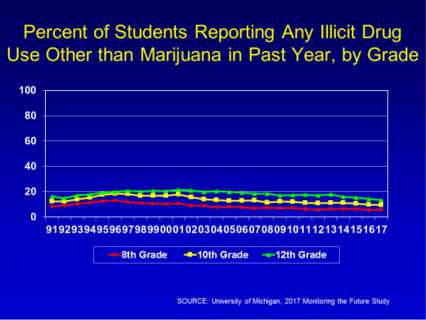
(Image Source)
A total of 33% of seniors in high school admit to using alcohol and binge drinking. That is only the figure of self-reported users, meaning the actual number is almost certainly higher. That same demographic is familiar with and claim access to opiates, such as prescription painkillers. Studies have shown that they are more likely to mix them with other drugs, increasing their risk of overdose. Signs of substance abuse include:- Repeated truancy
- Drop in academic performance
- Change in friends
- Isolation from family or former friends
- Secretive behavior
- Missing items or money
- Strange behavior and acting intoxicated
Personality Disorders and Oppositional Defiant Disorder
Personality disorders are a major concern for many parents who have troubled teens. These disorders are rare and hard to diagnose in children and teens given the overlap of symptoms with other conditions. The exception is usually Oppositional Defiant Disorder, a condition that is more frequently diagnosed in children of a younger age. ODD symptoms include:- Refusal to respect authority
- Extreme expressions of anger
- “Flying off the handle” at nothing
- Spiteful or vindictive behavior
- Petty behavior
- Attempts to deliberately upset others
- Violent outbursts
- Blames others for their shortcoming or behavior, even when caught
Finding Help For Your Teen
Whatever struggles your teen may be facing, there is help available for them. Extensive therapy, specialized programs like therapeutic boarding schools and residential treatment centers are all viable options for moderate to severe cases. Each option provides monitoring by professionals who are well trained in handling your teen’s behavior. Getting your child help is critical to keep them from going down a path of no return. The world today is full of dangers for young people who struggle with behavior. You can help them, as a parent, to overcome each one of their demons and turn a new leaf.
Find out more at Liahona Academy.
Getting your child help is critical to keep them from going down a path of no return. The world today is full of dangers for young people who struggle with behavior. You can help them, as a parent, to overcome each one of their demons and turn a new leaf.
Find out more at Liahona Academy.

Leave a Reply