
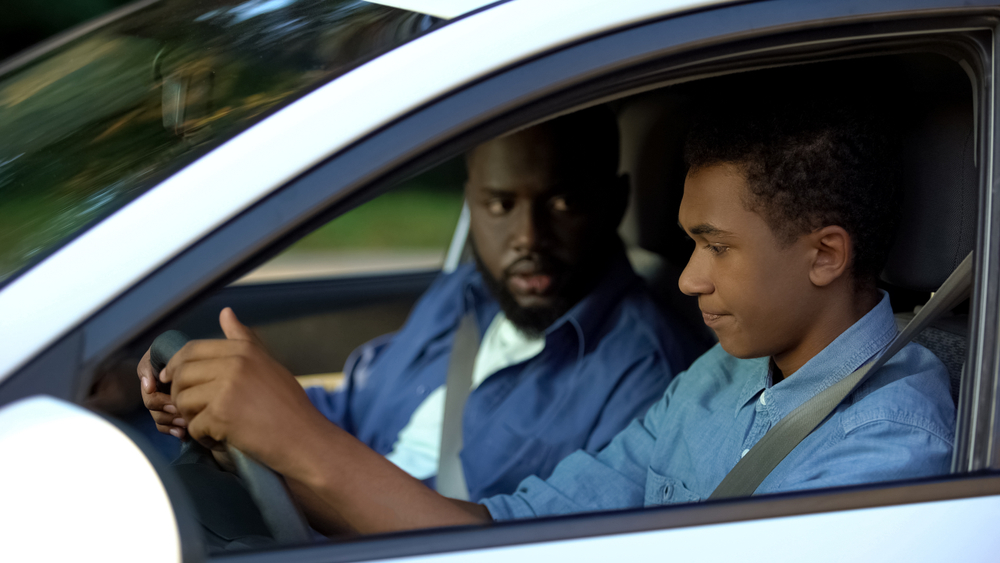
 Teenagers learn how to react to different experiences that life brings; whether through disappointments, frustrations, happiness, anger, or sadness, a plethora of emotions are experienced, typically in a short period. The overarching goal, then, is to be able to manage these emotions appropriately and effectively. While this can take a bit of trial and error, teens can learn to defuse stressful situations if needed while learning to keep their emotions in check.
However, there are times when adolescents tend to overreact to issues in daily life, which can snowball into recurrent teen violence if not dealt with appropriately. If you notice that your teen (or a friend of your son or daughter) tends to be reactive with their behavior, there are some things you can do to help reduce the incidence of violence and possible outbreaks of fighting.
Typically, if violence is going to start with a teenager, it’s already begun earlier in life - even toddler-aged children can be aggressive. This can be due to exposure at home, personal relationships, school, or even with friends, as well as emotional behavior issues (such as being unable to problem solve appropriately or regulate emotions properly). Whatever the reason, reactive teen behavior can undoubtedly lead to unwanted violence; and, according to the CDC, can be tied to many other issues, such as:
-Substance abuse
-Depression
-Conflict among friends and acquaintances
-Skipping school
-Issues maintaining employment
-Anxiety
The CDC also recommends other support options, such as staying in communication with your teen (and knowing how to support them as appropriately needed), ensuring that your neighborhood is safe and violence-free, and teaching your son or daughter how to properly manage the emotional issues that can arise during their adolescence. The more that you can keep lines of honest and healthy communication open with your teen, the more of a chance you have to make a positive impact on their life - not only through showing them the right way to deal with emotions but also how to respect another human and decrease the incidence of teen behavior that leads to fighting and violence.
Let’s review some tips that you can utilize in order to decrease the chance of violence among the adolescent community!
Teenagers learn how to react to different experiences that life brings; whether through disappointments, frustrations, happiness, anger, or sadness, a plethora of emotions are experienced, typically in a short period. The overarching goal, then, is to be able to manage these emotions appropriately and effectively. While this can take a bit of trial and error, teens can learn to defuse stressful situations if needed while learning to keep their emotions in check.
However, there are times when adolescents tend to overreact to issues in daily life, which can snowball into recurrent teen violence if not dealt with appropriately. If you notice that your teen (or a friend of your son or daughter) tends to be reactive with their behavior, there are some things you can do to help reduce the incidence of violence and possible outbreaks of fighting.
Typically, if violence is going to start with a teenager, it’s already begun earlier in life - even toddler-aged children can be aggressive. This can be due to exposure at home, personal relationships, school, or even with friends, as well as emotional behavior issues (such as being unable to problem solve appropriately or regulate emotions properly). Whatever the reason, reactive teen behavior can undoubtedly lead to unwanted violence; and, according to the CDC, can be tied to many other issues, such as:
-Substance abuse
-Depression
-Conflict among friends and acquaintances
-Skipping school
-Issues maintaining employment
-Anxiety
The CDC also recommends other support options, such as staying in communication with your teen (and knowing how to support them as appropriately needed), ensuring that your neighborhood is safe and violence-free, and teaching your son or daughter how to properly manage the emotional issues that can arise during their adolescence. The more that you can keep lines of honest and healthy communication open with your teen, the more of a chance you have to make a positive impact on their life - not only through showing them the right way to deal with emotions but also how to respect another human and decrease the incidence of teen behavior that leads to fighting and violence.
Let’s review some tips that you can utilize in order to decrease the chance of violence among the adolescent community!
- Create a thriving and positive community. This can look like cleaning up your neighborhood with monthly trash cleanups and graffiti removal (if needed), revamping local parks, and volunteering at food kitchens or the local community center.
- Emphasize safety in numbers. This can be a campaign in your neighborhood, as well as the workplace and even school zones. Teen behavior can be positively impacted when there are outlets available for them to grow and thrive, especially in a group setting!
- Ensure safe homes and schools. Have you ever seen the “drug-free zone” signs up in neighborhoods? Communities rally together to make this a reality, and the idea can continue far past the classroom environment. Drug-free zones can also be enforced in local parks, playgrounds, and workspaces!


Leave a Reply