
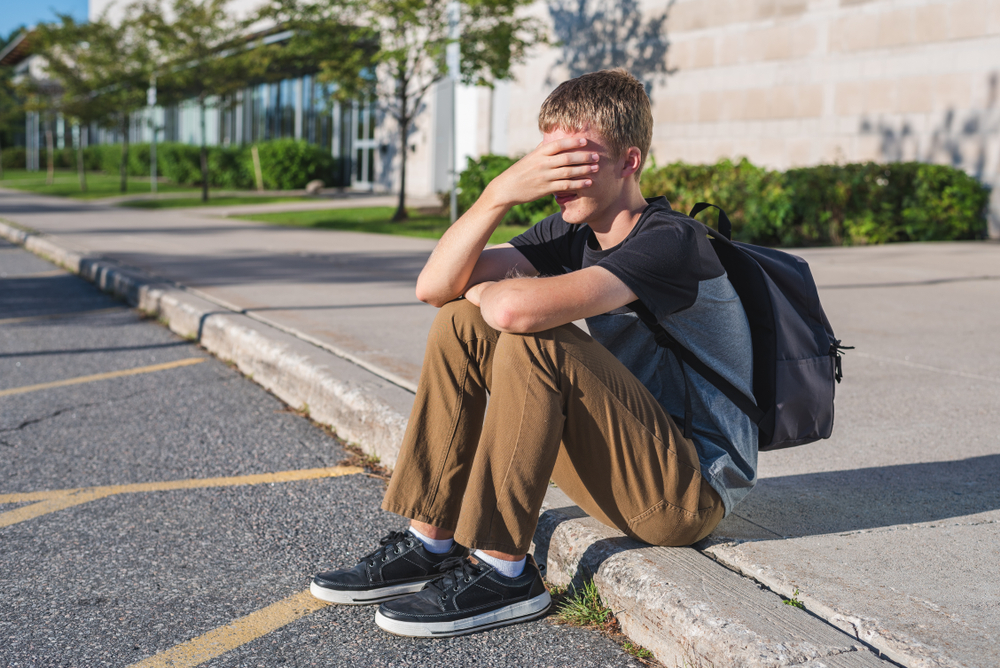
 You didn’t expect to be here, fighting with your teen every morning just to get him out the door, dreading phone calls from school administrators, or sitting in another meeting about behavior plans that don’t work. You wanted to believe it was just a phase. But now the reality is clear: school has become a war zone, and your son is falling through the cracks.
When a once-promising student is skipping school, failing classes, or facing expulsion, it’s more than academic trouble. It’s a symptom of deeper emotional, behavioral, or mental health struggles, and if left unaddressed, it can derail your teen’s future.
If you're feeling powerless or angry watching your son spiral, this guide is for you. We’ll cover what’s driving school refusal and academic collapse, what parents can do, and when to seek outside intervention that helps.
The Numbers Don’t Lie: School Struggles Are On the Rise
Educational breakdown is more common than most parents realize, and it’s getting worse.
- According to the National Center for Education Statistics, chronic absenteeism affects over 30% of U.S. high school students, with boys more likely to disengage.
- Teens with mental health disorders are three times more likely to drop out of school.
- Suspension and expulsion increase the risk of later involvement with the juvenile justice system by up to 40%, according to the U.S. Department of Justice.
These aren't just statistics. They're red flags for long-term consequences, academic failure, legal trouble, and emotional damage that compounds over time.
Why Your Son May Be Falling Behind or Refusing School
When your teen refuses to go to school or stops trying, it's not usually about laziness. It’s about avoidance. The key is to understand what he’s avoiding, and why.
Common Reasons Boys Refuse or Struggle in School:
| Root Cause | Signs You May Notice |
| Anxiety or Depression | School avoidance, fatigue, hopelessness, low motivation |
| Learning Differences (undiagnosed) | Acting out, incomplete work, refusal to engage |
| Peer Conflict or Bullying | Isolation, school refusal, increased irritability |
| ADHD or Executive Dysfunction | Missing assignments, forgetfulness, constant frustration |
| Trauma or Family Stress | Emotional outbursts, disconnection, zoning out |
| Feeling Like a “Failure” | Giving up, saying “I’m dumb,” refusing to try |
If your son says he “hates school” or “just doesn’t care,” listen closely. He may actually be saying, “I don’t feel safe,” or “I can’t succeed, so why try?”
What Parents Can Do to Stop the Downward Spiral
You may feel like you’ve tried it all, but there are still strategic steps you can take to stabilize the situation.
1. Document Everything
Keep detailed records of truancy calls, failed assignments, disciplinary actions, and meetings with school staff. This will help if you need to advocate for special services or explore outside placement.
2. Request a Full Evaluation
If your teen hasn’t already been assessed for learning disabilities, emotional support needs, or mental health concerns, request it through the school under the Individuals with Disabilities Education Act (IDEA). This is a legal right, not a favor.
3. Address the Underlying Emotional Issues
Hire a licensed therapist or psychologist with experience working with adolescents. A formal diagnosis can open doors to accommodations or alternative schooling options.
4. Change the Environment if Needed
Sometimes, it’s not about “trying harder.” If the school environment is toxic or completely broken down, it may be time to consider something new. This can include alternative education programs, online schooling, or therapeutic boarding schools like Liahona Academy.
When It’s More Than the School Can Handle
If your son is facing repeated suspensions, failing grades, or potential expulsion, he likely needs a level of structure and therapeutic intervention that a public school simply can’t provide.
Ask yourself these questions:
- Has your son already failed multiple interventions?
- Is he emotionally or physically unsafe at school?
- Does he shut down completely when school is mentioned?
- Is his behavior escalating at home as well?
If the answer is yes, it’s not time to punish, it’s time to pivot. Traditional solutions won’t fix a broken system for a boy in crisis.
What Liahona Academy Offers When School Isn’t Working
At Liahona Academy, we provide a therapeutic boarding school environment designed for boys ages 12–17 who are:
- Chronically absent or truant
- Failing multiple classes despite support
- On the verge of, or recovering from, expulsion
- Dealing with emotional or behavioral issues that interfere with learning
Our students don’t just “catch up”, they learn how to learn again, with licensed therapists and certified teachers working together. Here, education isn’t just about grades, it’s about growth, confidence, and long-term success.
We combine:
- A structured academic curriculum
- Daily therapy and emotional skills coaching
- Peer support and accountability
- A safe, consistent routine that rebuilds trust in authority and self
We understand what it means when a boy gives up, and we know how to help him fight his way back.
You Don’t Have to Keep Fighting This Alone
If your home has become a battleground and school feels like the enemy, it’s time to change the rules of engagement. Your son doesn’t need more punishment. He needs a reset, one that addresses both his education and emotional health in a real, lasting way.
At Liahona Academy, we help boys reclaim their sense of self, purpose, and pride, not just in school, but in life.
Don’t Wait for the Next Suspension to Take Action
If you’re watching your son spiral at school and nothing has worked, contact Liahona Academy today. Let’s talk about what’s really going on, and whether our program is the right fit to get him back on track.
Your son’s education and mental health are too important to leave to chance. Let’s fight for his future, together.
