
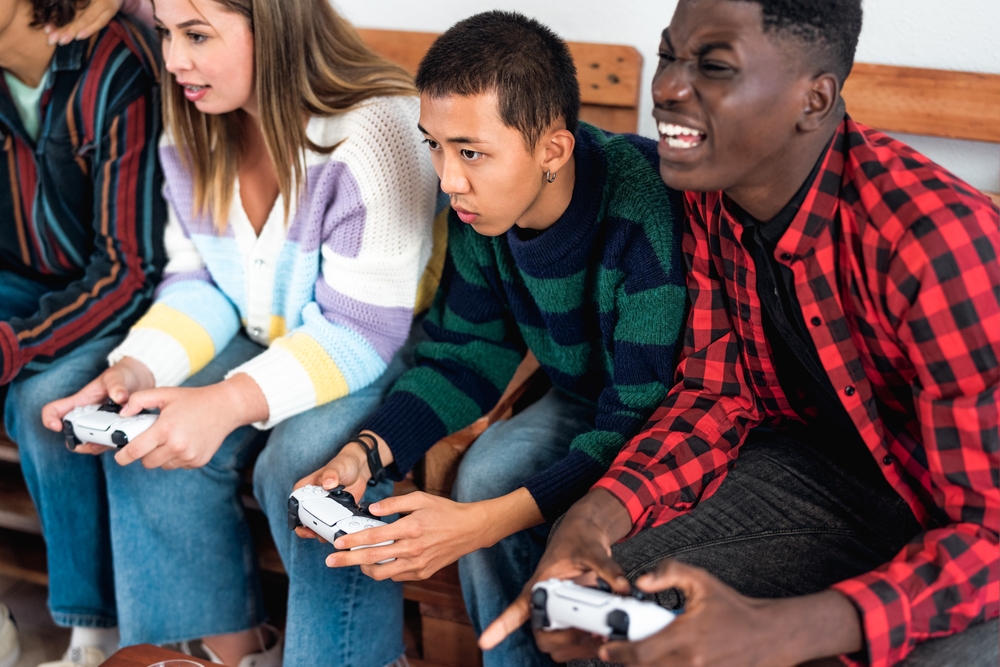
 Since the beginning, video games have entertained a wide range of ages, with some teens spending much, if not all, of their free time in the virtual world. This expenditure of time can be both good and bad, depending on other factors. For instance, our team at Liahona Academy has worked with countless teens whose gaming has created more challenges than positives in their lives. Our comprehensive treatment works with teens to recognize when gaming has become more of an obsession than a fun way to pass the time. It also provides teens with a safe space to explore their feelings, learn coping skills, and more.
If your teen spends a lot of time gaming, you might wonder how much is too much and how you can set and maintain boundaries regarding gaming while still allowing them to gain the benefits from it. Continue reading to learn more about those benefits and creating boundaries to ensure teens have a good balance in their lives.
What Are the Advantages of Teenage Gaming?
Despite what many think, playing video games can improve cognitive function. Action games with a high tempo, for example, can enhance response times and decision-making abilities. In addition, playing games that solve problems can improve one's spatial awareness and critical thinking. Other advantages that teens can gain from gaming include the following:
- Social Interaction: Teens can connect with friends and peers through online multiplayer games, which promote cooperation, teamwork, and communication. Additionally, gaming communities provide support and a sense of community.
- Stress Relief: Teenagers who play video games can decompress from the demands of their social lives, families, and schools.
- Creativity and Imagination: Certain games allow teens to create original characters, explore large virtual worlds, and solve challenging puzzles. This fosters creativity and imagination, which are both great skills for teens to have.
What Are the Drawbacks to Gaming?
There is an increased risk of falling into a sedentary lifestyle as a result of spending a lot of time in front of a screen. This raises the risk of obesity, cardiovascular disease, and other health problems. Not only that, but inactivity can have an effect on one's mental health. The drawbacks are even more intense when you consider how they can affect other parts of teens’ lives, including the following:
- Academic Performance: Playing video games too much can have a detrimental effect on one's academic standing, resulting in low marks and a lack of enthusiasm for homework. It may also interfere with sleep cycles, making it harder to focus and remember things.
- Social Isolation: While gaming offers the chance to socialize, spending too much time online can have the opposite effect, causing social withdrawal and isolation. Unfortunately, when those ties are broken, they can be very difficult to rebuild, which leaves only gaming for teens, which disrupts the balance even more.
- Addiction and Dependency: Video games can develop an addiction in certain teenagers, resulting in obsessive and excessive behavior. This may lead to disregarded obligations, arguments with loved ones, and even withdrawal symptoms from gaming.
How Do Parents Strike a Balance?
It's critical for parents to encourage their teen's gaming interests while also making sure they maintain a healthy balance in their lives. The following are some methods for striking this equilibrium:
- Clearly Define Boundaries and Rules: It’s important to establish guidelines regarding gaming, such as only allowing teens to game after finishing chores or homework. Other rules might include setting reasonable limits on screen time. Also, to counteract sedentary gaming time, parents can promote breaks and outdoor activities.
- Promote Variety: It’s important to get your teen involved in sports, hobbies, or artistic endeavors, as well as other non-gaming activities. This encourages a more balanced lifestyle and keeps gaming from taking over their free time.
- Pay Attention to Content and Behavior: Parents should learn about the games and online activities their teen is involved in. At the same time, parents should keep an eye out for symptoms of excessive gaming, such as ignoring obligations or withdrawing socially, and take appropriate action if needed.
- Set a Good Example: Parents should model good screen habits for teens to follow. It’s also good to remember that gaming doesn’t only happen on a console. It includes gaming on phones and tablets. A good way to ensure teens have a good balance is to work for balance in your own life as well. For instance, schedule a “no gaming” day once a week where you and your teen do other activities together.
What Can Parents Do If Teens Become Addicted to Gaming?
It's critical that parents take proactive measures to encourage balance in their teen's life and are aware of the possible risks associated with excessive gaming. In order to help their teens enjoy gaming responsibly and thrive in all facets of their lives, parents can set clear boundaries, encourage variety, and model healthy behavior. However, despite your best efforts, teens might still fall prey to the drawbacks of gaming. When this happens, you may need assistance from outside sources to help their teen get back on track. As mentioned, our team can assist teens addicted to gaming, especially as gaming begins to have more negative impacts than positive ones.
If you’re concerned that gaming is influencing your teen too much, contact our team today to see how we can help.
Sources:
https://liahonaacademy.com/video-game-addiction-in-teens.html
https://liahonaacademy.com/contact-us.html
https://liahonaacademy.com/our-program.html
https://www.healthygamer.gg/blog/how-to-stop-your-child-from-gaming-all-day
https://www.avera.org/balance/childrens-health/teens-and-video-games-how-much-is-too-much/
